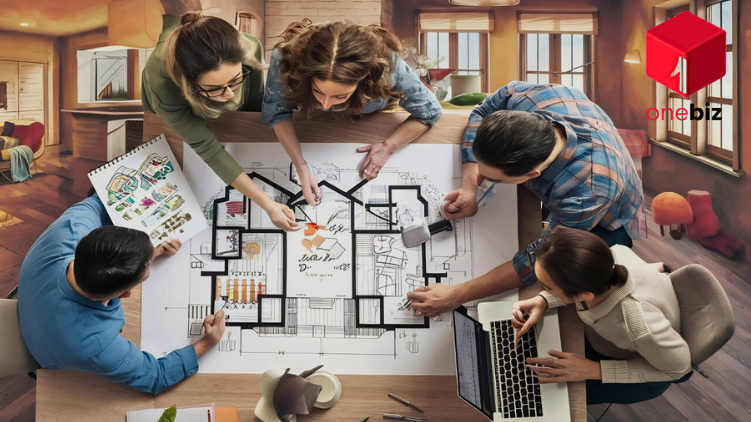
Modern families are increasingly choosing Multi-generational home design to accommodate aging parents, adult children, and young families under one roof. Creating truly functional and comfortable Inclusive living spaces requires thoughtful planning, accessibility considerations, and privacy solutions that meet the needs of every age group.
Why Multi-Generational Living is Growing
The concept of multi-generational housing is not new, but its demand is rising rapidly.
- According to the Pew Research Center, 18% of the U.S. population lived in multi-generational households in 2021, compared to 12% in 1980.
Source: https://www.pewresearch.org/social-trends/2022/03/24/the-return-of-the-multi-generational-family-household/ - A report by Generations United states that nearly 1 in 4 Americans now live in a household with three or more generations.
Source: https://www.gu.org/resources/the-state-of-grandfamilies-in-america/
These trends highlight the need for smart Multi-generational home design solutions that balance independence and togetherness while ensuring safe and adaptable Inclusive living spaces.
1. Prioritize Universal Design Principles
At the heart of successful Multi-generational home design lies universal design.
Universal design ensures that homes are usable by people of all ages and abilities without requiring future modifications.
Key features include:
- Step-free entrances
- Wider doorways (minimum 32 inches recommended)
- Lever-style door handles
- Non-slip flooring
- Walk-in showers
- The CDC reports that 1 in 4 adults in the U.S. lives with a disability, reinforcing the need for accessible housing solutions.
Source: https://www.cdc.gov/disabilities/data/index.html
Incorporating these features from the beginning helps create sustainable Inclusive living spaces that serve both children and elderly residents.
2. Balance Privacy and Shared Spaces
One of the biggest challenges in Multi-generational home design is maintaining privacy while encouraging interaction.
Best practices include:
- Separate entrances or in-law suites
- Soundproofed walls between private zones
- Dedicated bathrooms for each generation
- Zoned HVAC systems for personalized comfort
At the same time, central communal areas such as kitchens and living rooms should promote shared activities, strengthening family bonds within Inclusive living spaces.
3. Flexible and Adaptable Layouts
Homes must evolve as families grow or circumstances change.
Consider:
- Convertible rooms (office/guest bedroom)
- Movable partitions
- Ground-floor bedrooms for aging parents
- Modular furniture
- The Joint Center for Housing Studies of Harvard University notes that by 2035, adults aged 65+ will outnumber children under 18 in the U.S.
Source: https://www.jchs.harvard.edu/blog/by-2035-older-adults-will-outnumber-children
Future-ready Multi-generational home design anticipates mobility needs and lifestyle changes, ensuring long-term Inclusive living spaces without costly renovations.
4. Smart Technology Integration
Technology plays a crucial role in modern Multi-generational home design.
Essential smart features:
- Voice-activated lighting
- Smart thermostats
- Video doorbells
- Remote health monitoring devices
- Emergency alert systems
- AARP reports that 77% of adults aged 50+ want to age in place.
Source: https://www.aarp.org/research/topics/community/info-2021/home-community-preferences.html
Smart systems enhance safety and independence, making Inclusive living spaces more secure and convenient for elderly residents while maintaining comfort for younger generations.
5. Financial and Zoning Considerations
Before implementing Multi-generational home design, families must review:
- Local zoning laws
- Accessory Dwelling Unit (ADU) regulations
- Tax implications
- Shared utility costs
- Freddie Mac states that 41% of homebuyers consider multi-generational living when purchasing a home.
Source: https://www.freddiemac.com/research/consumer-research/multigenerational
Understanding legal and financial frameworks ensures smooth execution of Inclusive living spaces without compliance issues.
6. Safety and Child-Friendly Design
Design must simultaneously address:
- Childproofing
- Senior fall prevention
- Fire safety planning
- Adequate lighting
Blending safety for toddlers and seniors is essential in Multi-generational home design. Thoughtfully designed Inclusive living spaces reduce risks while supporting independence.
Conclusion
As families evolve, the demand for smart Multi-generational home design continues to grow. By integrating universal design, privacy planning, flexible layouts, and smart technology, homeowners can create truly functional Inclusive living spaces that promote harmony, safety, and long-term adaptability. Investing in thoughtful planning today ensures that homes remain welcoming, efficient, and future-ready for every generation under one roof.